
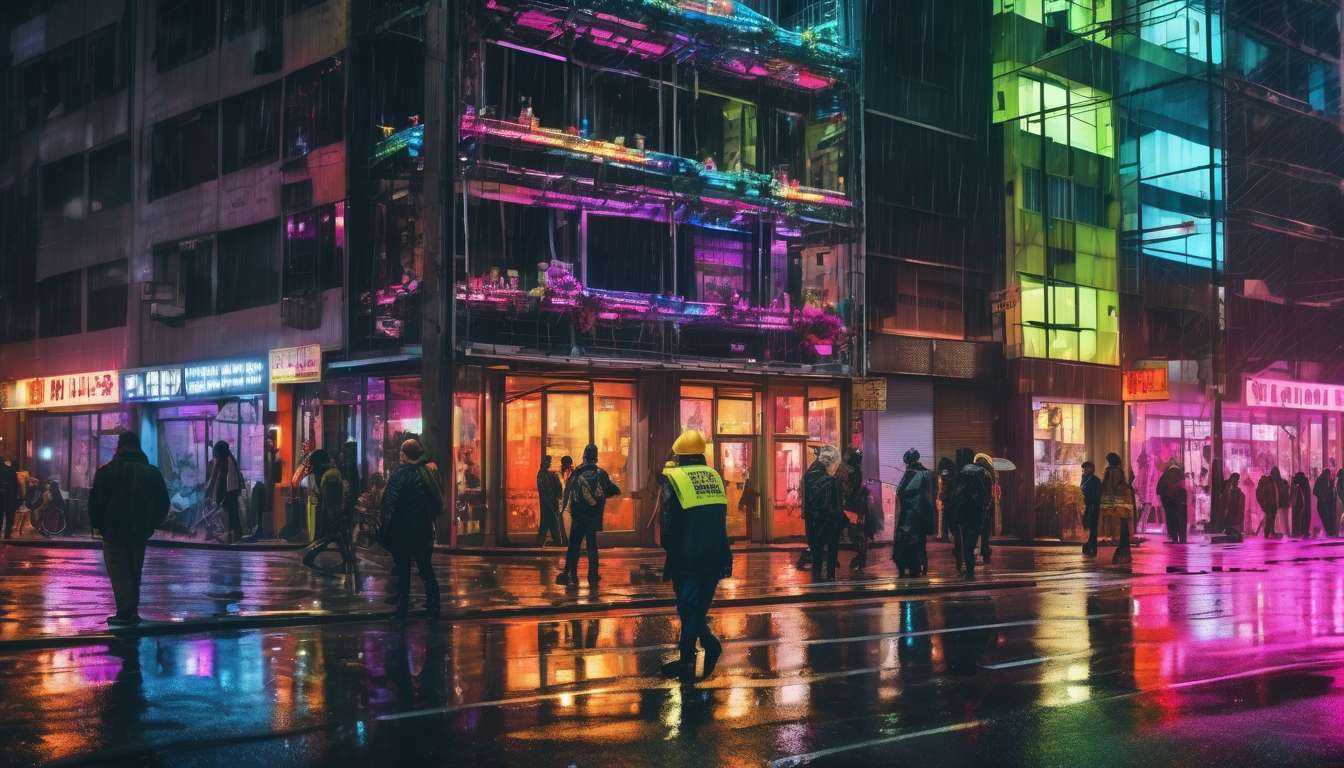
Many evenings we’ve walked past a proposed redevelopment site and imagined what the block could become — a pocket park, mixed-use housing, or a lively storefront corridor.
Last month, that imaginary walk turned real when a developer’s rendering included ground-floor spaces labeled ambiguously, and neighbors began debating whether those spaces should host boutique retailers, community centers, or exotic dancing venues.
We find ourselves pulled into conversations that blur multiple domains.
- Zoning law and moral values
- Economic need and cultural expression
As a collective, we weigh competing evidence and concerns.
- Parking studies versus public safety reports
- Tax revenue projections versus fears about neighborhood character
- Questions of free expression versus concerns about exploitation
Our meetings are full of diverse stakeholders — earnest residents, business owners, planners, and performers — each offering narratives that complicate simple judgments.
This article follows our tangled deliberations.
- It examines how policy frameworks shape outcomes.
- It explores what it means when decisions about where people work and gather become proxies for larger debates about who belongs in our city.
Zoning and Land Use Policy
We need zoning that balances community needs, public safety, and property rights.
Map where venues can operate and define commercial corridors where such activity is expected.
- Identify appropriate commercial zones and corridors for adult entertainment venues.
- Use data-driven siting decisions (land use, transit access, existing commercial activity).
Set clear distance buffers to protect sensitive uses.
- Establish objective buffer distances from schools, daycare centers, and residences.
- Use uniform, evidence-based measurements to avoid arbitrary or discriminatory siting.
Prioritize safety through venue-design and operations requirements.
- Require adequate exterior and interior lighting, safe ingress and egress, and visible emergency exits.
- Ensure cooperation with emergency services (clear access routes, contact protocols).
- Avoid regulations that compromise worker or customer safety (for example, bans that force venues into unsafe buildings or hidden locations).
Link land-use permits to workplace protections developed with performers and staff.
- Engage performers, staff, and unions in drafting labor protections tied to permits.
- Include provisions for harassment prevention, privacy, and safe working conditions.
- Ensure zoning complements — not replaces — labor and health regulations.
Create transparent licensing and permitting processes with objective criteria.
- Publish clear standards and timelines for approvals, renewals, and appeals.
- Use objective, narrowly tailored criteria to prevent arbitrary exclusions that marginalize participants.
Commit to inclusive outreach and enforceable safety protocols.
- Conduct meaningful engagement with residents, business owners, and workers during policy development.
- Implement enforceable safety and nuisance protocols with regular review and public reporting.
Honor property rights while recognizing the dignity of workers and community belonging.
- Balance reasonable land-use restrictions with protections against undue economic exclusion.
- Make decisions that help neighborhoods evolve inclusively, respecting both residents and workers.
Economic Impact Analysis
Objective: We will evaluate the economic effects of adult entertainment venues on local tax revenue, employment, property values, and surrounding businesses using data-driven methods.
Data sources and quantitative targets:
- Municipal tax records to measure direct tax contributions (sales, business, property).
- Employment statistics and labor surveys to quantify jobs, hours, and earnings for venue workers and related service industries.
- Commercial rent and property-value trends to detect capital-market responses.
- Foot-traffic counts, point-of-sale or sales-tax data, and business licensing records to assess impacts on surrounding businesses.
Identification strategy and controls:
- Compare areas with different zoning regimes to isolate policy impacts.
- Control for baseline neighborhood conditions (demographics, prior economic trajectories, transit access, crime rates).
- Use quasi-experimental designs (difference-in-differences, synthetic controls, spatial fixed-effects) where possible to strengthen causal inference.
Labor-market measurement and limitations:
- Measure labor outcomes for venue workers and adjacent service sectors, capturing wages, turnover, and employment stability.
- Acknowledge informal employment patterns, tip income, and potential underreporting in administrative sources; supplement with targeted surveys and anonymized worker interviews.
Spillovers to nearby businesses:
- Assess displacement or complementary activity by analyzing changes in foot traffic, sales, customer composition, and business openings/closures.
- Look for heterogeneity by type of nearby business (restaurants, retail, personal services) and time of day.
Cost and public-service considerations:
- Factor municipal costs such as increased inspections, policing, sanitation, and targeted investments to maintain shared community standards and safety.
- Quantify net fiscal impacts by comparing added revenue against incremental service costs.
Transparency, participation, and reproducibility:
- Center models and code on transparent, documented methods and share anonymized data where legally permissible.
- Adopt participatory assumptions-setting so residents, workers, and proprietors can review and influence modeling choices.
- Present clear, replicable findings (open code, pre-registered analyses, and sensitivity checks) so stakeholders can weigh economic trade-offs alongside planning goals and equitable labor protections when shaping zoning decisions.
Community Safety Concerns
Study purpose and data sources
We’ll evaluate how adult‑entertainment locations affect crime rates, public‑order incidents, and residents’ sense of security using police data, survey responses, and temporal‑spatial analysis.
Comparison approach
We’ll look for patterns tied to zoning decisions by comparing areas with concentrated venues to mixed‑use neighborhoods.
Temporal‑spatial focus
We’ll examine whether nearby incidents spike during late‑night hours and assess how well lighting, surveillance, and patrols mitigate risk.
Worker perspectives
We’ll include worker perspectives to understand how labor conditions influence reporting of assaults or thefts and how staff training can improve safety for patrons and neighbors.
Community engagement
We’ll prioritize community voices, inviting residents and venue workers into data discussions so everyone feels heard and invested in solutions.
Targeted interventions
We’ll identify targeted interventions—zoning adjustments, licensing requirements, safety audits, and joint patrols—that reduce harm without excluding stakeholders.
Monitoring and adaptation
We’ll recommend monitoring metrics and regular reviews so policies adapt to real outcomes, balancing public safety with fair labor treatment and neighborhood cohesion.
Cultural and Artistic Expression
We’ll assess how adult‑entertainment venues contribute to local cultural life and artistic expression, including performance innovation, community events, and collaborations with other arts organizations.
We recognize these spaces as creative hubs where choreography, costume design, lighting, and music blend into unique performance forms that enrich our neighborhood identity.
We want venues to engage with galleries, theaters, and festivals so that works cross‑pollinate and diverse audiences feel welcome.
We also need to consider zoning impacts that shape where creative activity can safely occur without pushing art to the margins.
Thoughtful zoning balances neighborhood character with cultural vitality, helping us site venues where they complement other institutions.
We care about safety for patrons and performers alike, from well‑lit exteriors to clear emergency plans, because belonging depends on feeling secure.
While discussions about labor will come later, here we note that fair practices influence artistic continuity; sustainable creative careers keep our community’s cultural offerings vibrant.
Together, we can build an inclusive arts ecosystem that respects place and people.
Rights and Labor Protections
We’ll prioritize clear, enforceable rights and fair working conditions for performers and staff so venues can operate ethically and sustainably.
We’ll push for labor protections that guarantee fair pay, predictable scheduling, and access to benefits and grievance processes.
We’ll work with city officials to ensure zoning rules don’t isolate workers or deny them access to services.
- Zoning should balance community planning with workers’ livelihoods.
- Avoid regulations that effectively push venues — and their workers — into areas without transit, healthcare, or other supports.
We’ll insist on safety standards that protect everyone on site and build trust among staff and patrons.
- Secure entrances and adequate lighting.
- Emergency protocols and regular drills.
- Training for staff on de-escalation, first aid, and safety procedures.
We’ll form coalitions of performers, managers, neighbors, and advocates so voices directly affected shape policy.
- Coalition membership ensures policies reflect lived experience.
- Agency and participation foster belonging and buy-in.
We’ll advocate for transparent enforcement mechanisms and community oversight to ensure compliance without stigmatizing venues.
- Clear, public enforcement rules.
- Community review boards or oversight panels with balanced representation.
We’ll support legal aid and occupational health resources for workers, and encourage municipal funding for inspections and staff education.
- Legal aid for contract disputes and labor claims.
- Occupational health services and mental-health supports.
- Public funding for regular inspections and workforce training programs.
We’ll center dignity, reduce precarity, and craft practical, enforceable policies that respect both worker rights and the broader urban fabric.
Neighborhood Character Debates
We will engage neighbors, business owners, and performers to define how exotic dancing venues can fit respectfully into local streetscapes and daily life.
We will focus on clear, shared standards that balance zoning rules with the everyday character people value.
We want signage, hours, and building facades that feel compatible with nearby homes, parks, and shops without singling out venues unfairly.
We will prioritize safety for patrons, staff, and residents through lighting, clear sightlines, and coordinated emergency plans, while recognizing that safety measures should support, not stigmatize, performers.
We will consider labor conditions—access to safe workplaces, fair scheduling, and secure transport—and how they affect neighborhood perceptions and cohesion.
We will apply objective criteria and review impacts over time to avoid reactionary bans that damage livelihoods or neighborhood trust.
We will aim for policies that allow diverse businesses to coexist while protecting community wellbeing and ensuring everyone feels respected and included as our neighborhoods evolve.
Stakeholder Engagement Processes
We will convene a diverse group of neighbors, business owners, performers, and service providers to shape transparent, recurring engagement processes that inform policy decisions.
We will create regular, welcoming public forums with clear agendas and accessible locations so participation isn’t limited to a few voices.
We will invite experts to explain zoning and policy implications in plain language, then listen to community members describe how rules affect daily life and livelihoods.
We will prioritize safety concerns raised by residents and workers and jointly map hotspots to co-design practical responses.
We will center conversations about labor so performers and staff can speak about working conditions, schedules, and benefits without fear of retaliation.
We will document meetings, publish summaries, and set measurable follow-ups so trust grows through visible action.
We will use varied, inclusive outreach — online, in-person, and multilingual so people who feel marginal can join.
We will commit to practical supports to increase participation, including:
- Childcare at meetings.
- Rotating meeting times.
- Stipends for participants with limited income.
These supports reinforce that everyone belongs in shaping outcomes that affect their neighborhoods.
Policy Recommendations and Tradeoffs
We will weigh specific policy options, outline the likely tradeoffs for each, and recommend pragmatic steps that balance community well‑being, economic viability, and individual rights.
Targeted zoning:
Create designated districts where exotic dancing can operate with clear boundaries.
- Reduces conflicts with residential areas.
- Recognizes these businesses as part of the urban fabric.
Safety standards:
Couple zoning with strict safety requirements (lighting, surveillance, emergency access).
- Protects patrons, workers, and neighbors.
- Helps mitigate crime and improve public confidence.
Labor protections:
Implement enforceable workplace rules, access to benefits, and anti‑harassment measures.
- Ensures performers feel secure and valued.
- Raises standards for working conditions and accountability.
Tradeoffs:
- Concentrated zones can spur local economies but may shift nuisances to those areas.
- Strict safety rules improve security but raise compliance costs that small operators might struggle with.
- Stronger labor rules improve livelihoods but require oversight and enforcement resources.
Recommendations to balance tradeoffs:
- Phased implementation to allow adjustment time for operators and communities.
- Capacity‑building grants and technical assistance to help small businesses meet standards.
- Community oversight committees to monitor impacts and mediate conflicts.
- Regular reviews and data‑driven adjustments to refine rules and respond to unintended consequences.
Overall goal:
This approach seeks a shared urban future that respects dignity, commerce, and public order while providing practical supports to minimize harms and promote equitable outcomes.
How do insurance companies classify exotic dancing businesses when determining premiums and coverage requirements?
How insurers classify exotic dancing businesses
Primary classifications: Insurers typically group exotic dancing businesses under adult entertainment, clubs, or nightlife venues. These groupings determine the general rating class used when quoting premiums and coverage.
Key rating factors: Insurers rate these businesses based on several risk elements:
- Liquor service (on-premises alcohol greatly increases risk).
- Security needs (presence and quality of security staff, ID checking).
- Claims history (prior liability, assault, or theft claims).
- Nature of performances (fully clothed versus partially clothed or nude affects liability exposure).
Expected exposures and premium impact: Because of higher expected losses, insurers commonly see increased exposure for:
- General liability (assault, customer injury).
- Liquor liability (drunk patrons causing harm).
- Property crime (theft, vandalism).These exposures typically lead to higher premiums and sometimes additional policy exclusions or higher deductibles.
How coverage is obtained and optimized: Operators usually work with brokers to secure tailored policies that address their specific operations. Brokers can help by:
- Identifying appropriate coverages (general liability, liquor liability, property, sexual molestation/abuse coverage where available).
- Shopping multiple carriers for the best terms.
- Negotiating endorsements or restrictions.
Risk-reduction and premium mitigation: Insurers may offer discounts or better terms when businesses implement documented risk controls, such as:
- Trained and licensed security personnel.
- Clear performer/customer safety policies and enforcement.
- Proper alcohol service training (TIPS/serving staff certification).
- Surveillance, lighting, and secure cash-handling procedures.
Bottom line: Exotic dancing venues are usually treated as higher-risk adult entertainment or nightlife operations, which raises liability, liquor, and property exposures—driving up premiums. Working through an experienced broker and implementing strong risk-management practices can improve coverage options and reduce costs.
Are there tax incentives, credits, or special reporting rules that apply specifically to establishments featuring exotic dancing?
Short answer: There are no federal tax credits or special tax incentives that apply specifically to establishments featuring exotic dancing; such businesses are generally treated like other service or entertainment businesses for federal tax purposes.
Federal treatment:
- Business deductions: These establishments may claim ordinary and necessary business deductions (rent, utilities, advertising, supplies) subject to the usual substantiation and limitation rules.
- Employment taxes: Wages, tips, and classifications (employee vs. independent contractor) follow standard employment tax rules and reporting obligations.
- Special rules: Normal federal rules for tip reporting, withholding, and payroll taxes apply; there are no widely applicable federal exemptions or special credits unique to exotic-dance venues.
State and local considerations:
- Sales and excise taxes: Some states or localities impose sales tax, admission tax, or excise taxes specifically on adult-entertainment businesses.
- Licensing and zoning fees: Local licensing, permit, and zoning requirements can create additional costs and reporting obligations.
- Incentives and prohibitions: Certain jurisdictions may explicitly prohibit economic incentives (grants, tax abatements) for adult-entertainment businesses, or they may impose stricter reporting rules.
Next steps / recommendation:
- Check state and local law where the establishment operates for sales tax rules, excise taxes, licensing requirements, and any prohibitions on incentives.
- Review worker classification and tip-reporting practices to ensure proper withholding and payroll tax compliance.
- Consult a tax professional (CPA or tax attorney) for tailored guidance, risk assessment, and compliance strategies specific to the location and business model.
What are the best practices for private residential developers to insulate condo or apartment associations from liability or nuisance claims related to nearby exotic dancing venues?
We recommend steps to shield condo or apartment associations from liability or nuisance claims tied to nearby venues.
Draft clear covenants, conditions and restrictions (CC&Rs) allocating responsibility.
- Specify which party (developer, commercial tenant, association, or unit owners) is responsible for noise, crowd control, security, trash, and maintenance related to nearby venues.
- Include precise standards (e.g., decibel limits, trash pickup frequency, lighting controls) and measurable performance obligations.
Require indemnity clauses and insurance from developers and commercial tenants.
- Require commercial tenants and developers to indemnify the association and unit owners for claims arising from venue operations.
- Require commercial tenants and the developer to carry commercial general liability, liquor liability (if applicable), and excess/umbrella coverage with the association and unit owners named as additional insureds.
- Set minimum coverage limits and require certificates of insurance and notice of cancellation/renewal.
Build soundproofing and thoughtful site layouts.
- Incorporate building and unit-level soundproofing and vibration mitigation measures in construction documents and retrofit plans.
- Use site planning (orientation, setback, screening, buffer zones) to reduce noise, light, and pedestrian/vehicle conflicts between venues and residences.
Include dispute-resolution and litigation-fund provisions.
- Require mediation and/or arbitration before litigation for disputes arising from venue operations to reduce cost and delay.
- Establish a litigation reserve or assessment mechanism to fund common-defense costs and to pay for expert consultants (acousticians, security consultants, land-use counsel).
Maintain proactive communication with neighbors and local officials.
- Create formal channels for notification and coordination with venue operators, local police, code enforcement, and municipal planners.
- Use neighborhood agreements or operating plans that set hours, crowd-management protocols, transportation/parking plans, and emergency procedures.
These steps help foster security, shared responsibility, and community trust.
- Clear legal allocations, insurance, and reserves protect the association financially.
- Design and operational controls reduce nuisance risk and improve resident quality of life.
- Open communication and negotiated operating plans reduce conflicts and facilitate quick resolution when issues arise.
Conclusion
You’ve seen how zoning, economics, safety, culture, labor rights, and neighborhood character all collide around where exotic dancing venues locate.
You’ll need to weigh community values, business livelihoods, and public safety when shaping policy.
Engage affected residents, workers, and owners early, and craft regulations that balance harm reduction with respect for artistic and labor protections.
Expect tradeoffs — transparent processes and regular reviews will help you adapt as impacts and attitudes evolve.