
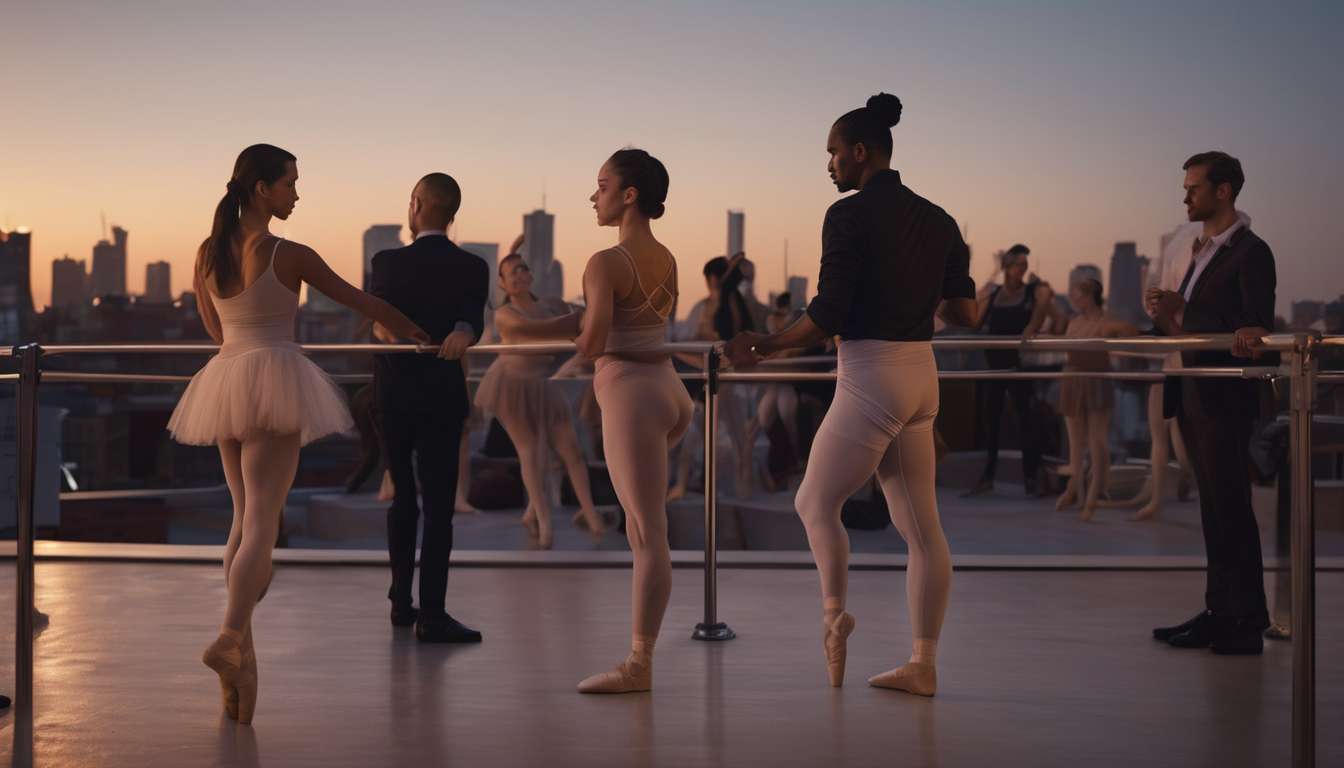
Diverse news coverage and recent municipal policy shifts have pushed exotic dancing from fringe entertainment into mainstream debate.
As cities overturn bans, unionize performers, and courtrooms weigh employment protections, public attitudes are reassessed—shifting between stigma and labor-rights language.
Headlines frame dancers in multiple, sometimes conflicting ways:
- As victims
- As entrepreneurs
- As service workers
Social media plays a dual role:
- Amplifying performers’ voices and organizing efforts
- Fueling moral panic and polarized public reactions
Local decision-makers and stakeholders are actively negotiating the contours of the industry:
- City councils, employers, and advocacy groups debate safety regulations and zoning.
- Courts and legislatures consider employment protections and benefits.
- Those choices, in turn, reshape community norms and public policy.
Our goal is to unpack the interplay of law, economics, and culture that informs opinion.
By centering current events and lived experience, we clarify what changing workplace debates mean for dignity, autonomy, and public understanding of exotic dancing.
Shifting Legal Frameworks
Across jurisdictions, laws and regulations around exotic dancing have shifted repeatedly in response to changing social attitudes and political pressures.
Ordinances, licensing rules, and zoning decisions often change how dancers navigate their work, and these changes frequently occur without consulting those most affected.
Exotic dancing intersects with broader conversations about sex work, labor rights, and stigma, and legal changes can either protect performers or expose them to harm.
Shared concerns among advocates include:
- preserving safety
- ensuring fair treatment
- reducing criminalization that fuels marginalization
We push for clear, evidence-based policies that center performers’ voices, not assumptions.
Desired regulatory principles:
- Balance public order with respect for autonomy.
- Reject one-size-fits-all approaches that amplify stigma.
- Avoid pushing work into unsafe conditions.
By staying connected and informed, we can advocate for frameworks that reflect dignity and practical protections while acknowledging community values and mitigating harm.
Labor Rights Movement
We’re organizing with dancers, venue staff, and allied workers to demand fair pay, enforceable protections, and recognition of their workplace rights.
We’ve built mutual aid networks, pooled resources for legal support, and created spaces where experiences are heard without judgment.
We center sex work as work, pushing labor rights frameworks that address scheduling, tips, safety, and access to benefits.
We know stigma isolates individuals and undermines collective bargaining, so we prioritize confidentiality, community care, and public education to shift narratives.
We’re filing complaints, testifying at hearings, and negotiating contracts that codify basic protections rather than relying on goodwill.
We share practical toolkits for documentation, know-your-rights training, and rapid-response support when retaliation happens.
We invite venue staff, promoters, and patrons who want accountable workplaces to join solidarity efforts, because durable change needs broad participation.
We aim to normalize fair labor standards across venues while dismantling stigma that prevents workers from asserting their rights and belonging in the larger labor movement.
Media Framing Effects
Media coverage shapes public understanding of exotic dancing.
We analyze headlines, images, and tone to reveal which narratives get amplified and which are erased.
We look for common frames and patterns.
- Are stories presented as crime reports?
- Are they moral tales?
- Are they workplace disputes?
Framing affects how dancers are perceived.
When coverage emphasizes sensational imagery or moral judgment, it reinforces stigma and alienates readers.
When coverage highlights organizing, safety, and economic agency, it invites solidarity and situates exotic dancing within broader labor rights movements.
Language choices matter.
- We examine passive versus active voice.
- We track whose voices lead the story — policymakers, dancers, or advocates.
Our goal is to improve reporting.
We promote reporting that reduces stigma, respects agency, and connects exotic dancing to labor rights conversations.
By demanding more nuanced frames, we create space for an informed community that supports dignity, safety, and fair treatment for all workers.
Social Media Dynamics
Social platforms shape how exotic dancers tell their own stories, build networks, and push back against harmful narratives.
We use Instagram, TikTok, and niche forums to share lived experience, demystify sex work, and remind each other we belong to a workforce deserving respect.
- By posting testimony and practical advice, we normalize conversations about labor rights and collective bargaining.
- This turns isolated challenges into shared campaigns and builds momentum for organized action.
We confront stigma directly, calling out derogatory tropes and amplifying peer-led resources.
- That visibility helps shift public perception.
- It also creates recruitment pathways for organizers, allies, and researchers who want to support worker-centered reforms.
At the same time, we stay mindful of platform rules and surveillance risks, choosing when to disclose and when to protect privacy.
- Digital strategies include privacy practices, selective disclosure, and using private or niche spaces when needed.
- These precautions balance visibility with personal and collective safety.
Our digital spaces become both advocacy hubs and mutual-aid networks.
- They are places to strategize about policy.
- They facilitate exchange of safety tips and practical knowledge.
- They allow celebration of resilience and culture.
- They strengthen arguments that exotic dancing is labor worthy of dignity and legal protections.
Community Safety Debates
We balance open advocacy and venue-level safety by weighing collective policies, policing alternatives, and support systems that actually protect dancers.
We center dignity in discussions, recognizing exotic dancing as work that intersects with sex work and labor rights, not moral judgment.
We favor harm-reduction measures created with worker input:
- Clear incident reporting systems.
- Trained peer safety teams.
- Accessible health and legal resources.
We reject approaches that increase surveillance or criminalization, because they deepen stigma and drive risk underground.
We push for municipal and venue policies that fund crisis response without relying solely on law enforcement.
We seek partnerships with community clinics and counselors who respect confidentiality.
We build belonging by inviting diverse voices—performers, managers, advocates—into safety planning so solutions fit lived realities.
We hold one another accountable to transparency and continuous improvement, and measure outcomes by:
- Reduced harm.
- Increased reporting confidence.
- Stronger community ties that affirm both safety and rights.
Economic Realities
We recognize that dancers often juggle irregular hours, unpredictable pay, and limited benefits, so we prioritize policies that stabilize income and expand access to financial protections.
We know economic insecurity drives many toward sex work without safe, formal supports, and we’re committed to changing that.
We push for labor rights that include:
- predictable scheduling,
- fair wage floors,
- tip protection, and
- access to healthcare and retirement plans,
so everyone feels supported.
We reject policies that leave people vulnerable to exploitation or deepen stigma that isolates workers.
We advocate for community-based financial supports, including:
- financial literacy programs,
- emergency funds, and
- partnerships with credit unions that respect privacy and dignity.
We also back decriminalization and workplace regulation reforms that reduce barriers to banking, housing, and legal recourse.
By centering practical economic solutions and collective advocacy, we build belonging and resilience, ensuring that dancers aren’t forced to choose between safety and survival and that their work is treated with the labor protections it deserves.
Performer Perspectives
We’ll center the voices of current and former performers to understand their motivations, working conditions, safety concerns, and aspirations.
We speak as a community that’s diverse and committed to mutual support, and we’ll name what matters without judgment.
We’ve chosen this work for many reasons — income flexibility, creative expression, and autonomy — and we won’t let simplistic labels erase those choices.
We face stigma that isolates some of us, yet we build networks to share tips, debrief difficult shifts, and protect each other.
We frame our work within broader conversations about sex work and labor rights, insisting dignity and respect aren’t optional.
We’re candid about hazards:
- Aggressive patrons.
- Inconsistent management practices.
- The anxiety that comes with legal uncertainty.
We insist on clearer safety protocols, reliable reporting mechanisms, and peer-led trainings that honor our expertise.
We want belonging, not pity; fair treatment, not moralizing.
By listening to performers, we create a fuller picture grounded in lived experience and collective care.
Policy Implications
We’ll push for policies that translate performers’ safety needs, workplace protections, and economic realities into concrete regulations and resources.
We’ll center voices of those who work in clubs and on stages so policy reflects lived experience, recognizing exotic dancing within the broader conversation about sex work and labor rights.
We’ll advocate for clear minimum standards, including:
- safe staffing ratios,
- private complaint mechanisms,
- access to benefits without criminalization or forced exit from the industry.
We’ll design training and licensing that protects rather than polices, reducing stigma and avoiding measures that push work underground.
We’ll support partnerships between performers, public health, and labor organizations to expand protections and portable benefits.
We’ll call for data collection that respects privacy and informs policy outcomes, and we’ll promote anti-discrimination ordinances so performers can access housing, banking, and legal recourse.
We’ll pursue laws that balance safety, autonomy, and economic dignity—policies created with performers, not for them—so our community feels seen, protected, and valued.
How do international laws and cultural attitudes toward exotic dancing compare to the U.S. debates described in the article?
International laws and cultural attitudes toward exotic dancing vary widely compared with U.S. debates.
- Some countries criminalize or heavily restrict exotic dancing.
- Others regulate it as entertainment or labor.
- Many communities blend stigma with acceptance.
We emphasize solidarity with workers advocating for safety, rights, and destigmatization, and we recognize cultural nuance.
We will support policies that protect health, labor protections, and community inclusion while respecting local values and legal frameworks.
What are the mental health resources commonly available to current and former exotic dancers, and how effective are they?
We’re addressing mental-health resources for current and former exotic dancers together.
We identify these types of services:
- Counseling (individual and group)
- Peer-support groups
- Trauma-informed therapy
- Substance-use programs
- Hotlines and crisis lines
These services are often provided by:
- Clinics and community health centers
- Nonprofit organizations focused on sex work or harm reduction
- Union initiatives and worker collectives
Access to care varies due to key barriers:
- Stigma — fear of judgment or disclosure limits help-seeking.
- Cost — uninsured or underinsured dancers face financial obstacles.
- Unstable work hours — scheduling and transportation difficulties reduce attendance.
When services are tailored to dancers’ needs, outcomes improve:
- Wraparound care (coordinated services addressing housing, legal, and medical needs) increases retention.
- Peer-led and culturally competent programs enhance trust, engagement, and sustained participation.
- Trauma-informed approaches reduce retraumatization and improve mental-health outcomes.
How do customers’ motivations and behaviors influence workplace policies and performers’ safety?
We recognize customers’ motivations and behaviors shape policy and safety.
When patrons seek respect and boundaries, we push for clear rules, training, and enforcement.
If buyers expect entitlement or ignore consent, we demand stricter screening, security presence, and zero-tolerance enforcement.
We advocate for transparent expectations, staff-led safety protocols, and community norms that reward respectful behavior.
- Shared responsibility and belonging reduce risks and improve performers’ well-being.
Conclusion
You’ve watched how legal shifts, labor organizing, and media framing reshape views of exotic dancing.
You see social media amplifying performers’ voices while fueling debate over safety and community norms.
You’ve considered economic pressures and the lived realities dancers describe.
As policy conversations turn toward protections, not punishment, you’re left with a choice:
-
Support pragmatic regulations that prioritize labor rights and safety.
-
Let stigma dictate outcomes that harm workers and communities.