
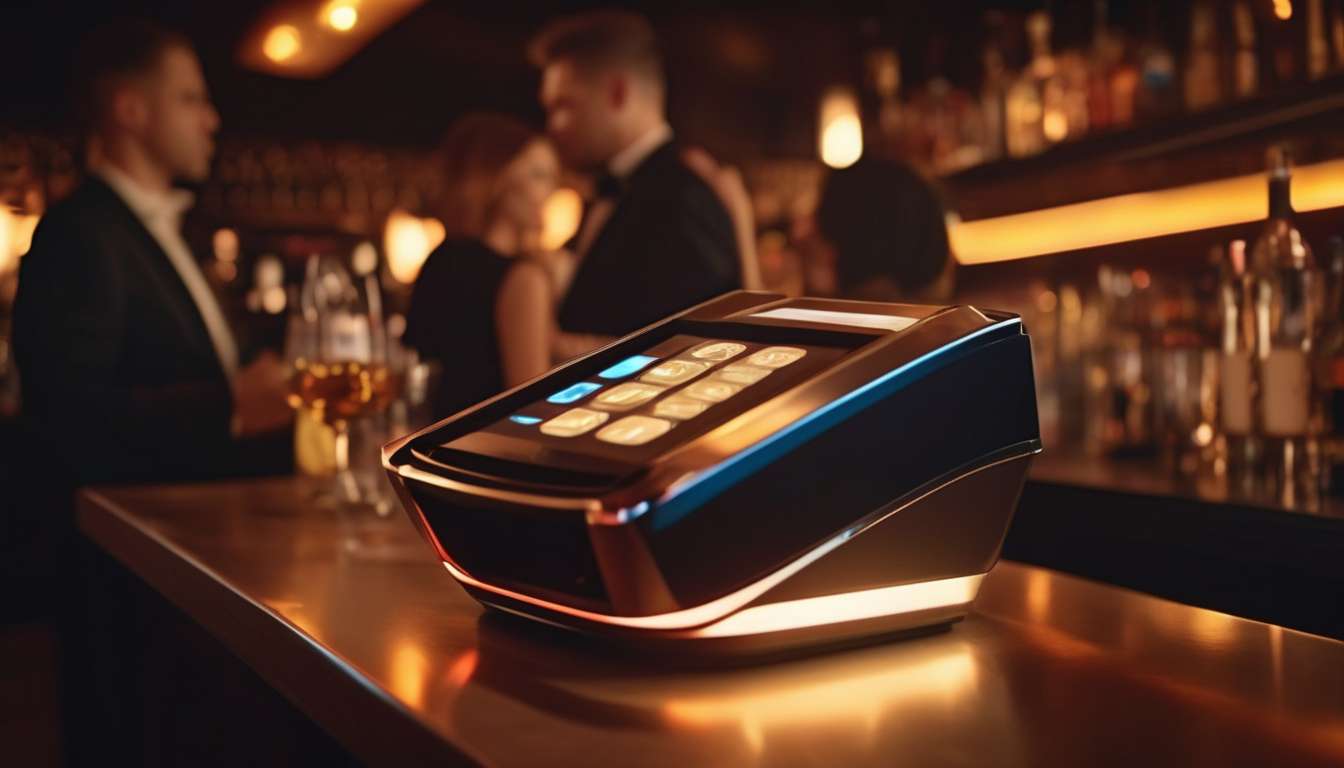
As we flipped the register closed that night, the usual clink of coins was replaced by the soft tap of a smartphone.
We had adapted before—changing lighting, training dancers on choreography—but the newly installed contactless terminals introduced a different rhythm to our venue.
At first, we worried about losing tipping spontaneity or the intimacy that cash facilitated.
We also noticed lines moving faster and patrons lingering longer with digital wallets open.
Our managers began tracking peak hours differently, and performers adjusted set times to match payment flow.
Behind the bar, inventory reconciliations became cleaner; on the floor, safety improved as less cash changed hands.
This transition forced us to rethink policies, staffing and artist compensation models.
In this article, we’ll walk through how payment technologies reshaped:
- Operations
- Revenue streams
- The dancer–management relationship
We’ll share practical lessons from our trials, missteps and surprising efficiencies.
Contactless Payments Adoption
We’re seeing more clubs adopt contactless payments, letting patrons tap or use mobile wallets for tips, cover charges, and purchases.
We’re embracing contactless payments because they speed service, reduce cash handling, and create a safer, more modern environment where everyone feels included.
As venue teams, we prioritize clear POS integration so transactions flow from customer to performer to management without friction.
That integration means bar tabs, entry fees, and gratuity tracking appear in one dashboard, which helps us settle shifts and share revenue transparently.
We also want reliable tipping technology that honors performers’ preferences and preserves privacy.
- Integrated systems let us route tips to wallets or accounts immediately.
- They also let us reconcile tips accurately.
By adopting standards-based terminals and mobile readers, we’re building trust with patrons who expect convenience and with staff who need dependable payouts.
Together, we foster a community where payments are straightforward, accountability is visible, and belonging grows because everyone sees the system working fairly and efficiently.
Tipping Technology Shift
More venues are moving to digital tipping tools that route tips instantly to performers’ accounts while preserving privacy and payout preferences.
We’re embracing tipping technology that complements contactless payments, giving both staff and guests a familiar, modern way to show appreciation.
By choosing systems that respect performers’ boundaries and payout timing, we foster trust and a shared sense of safety.
We want solutions that feel communal:
- Intuitive interfaces
- Clear fee structures
- Customizable tip splits
These features help everyone understand where money goes.
Tipping technology also reduces cash handling, lowering risk and streamlining night-end accounting so teams can focus on service and connection.
When we adopt tools that integrate with existing workflows:
- Performers gain predictable earnings.
- Managers gain accurate reporting.
We prioritize vendors that center performer privacy and consent, and we encourage open conversations about preferences so the whole venue feels included.
Together we can make tipping feel fair, transparent, and welcoming while moving confidently into a cash-light future.
POS Integration Challenges
Many venues struggle to sync new payment tools with legacy point-of-sale systems, and we need reliable integrations that don’t disrupt service or reporting.
We face practical hurdles when adding contactless payments and updated tipping technology to systems built years ago.
- These updates must respect the community’s workflow, keep customers moving, and preserve accurate sales and tip records without manual reconciliation.
We prioritize vendors who support standardized APIs, clear documentation, and tested adapters for POS integration so everyone—managers, staff, performers—feels included in the transition.
- Vendor requirements:
- Standardized APIs for predictable integrations.
- Clear documentation so internal teams and third parties can implement reliably.
- Tested adapters that bridge modern payment features and legacy POS behavior.
We plan staged rollouts, sandbox testing, and staff feedback loops to catch edge cases early.
- Deployment practices:
- Staged rollouts to limit blast radius.
- Sandbox testing that mirrors production flows.
- Staff feedback loops to identify real-world issues quickly.
We also insist on change controls, backups, and quick rollback paths to protect shifts from interruptions.
- Operational safeguards:
- Change controls (approval and scheduling).
- Backups for configuration and data.
- Quick rollback procedures to restore service if needed.
When integrations succeed, we see smoother checkouts, faster payouts, and more trust across the floor.
- Ongoing partnership:
- Stay connected to partners who listen and iterate.
- Continuously refine integrations to adopt new payment methods while preserving the shared culture that makes our venues feel like home.
Staffing and Scheduling Changes
As we adopt new payment tools, we’ll need to rethink staffing levels, shift patterns, and role responsibilities to keep service smooth and payouts timely.
We’ll cross-train hosts, cashiers, and floor staff so everyone can assist when contactless payments or tipping technology slows a line.
That shared capability builds trust and makes each person feel essential rather than disposable.
We’ll adjust shift lengths and overlap peak hours to reduce wait times when devices need updates or when patrons ask about digital options.
Managers will schedule regular tech-check windows and assign a floating tech-savvy team member to troubleshoot POS integration or connectivity glitches quickly.
We’ll set clear roles:
- Who verifies payments.
- Who handles disputes.
- Who supports performers with payout questions.
By creating predictable routines and open communication channels, we’ll keep service warm and efficient.
That inclusive approach helps staff feel respected and empowered as we navigate payment changes together, strengthening teamwork and guest experience.
Revenue Tracking Improvements
Goal: fair, fast, and visible revenue tracking that strengthens belonging and mutual accountability.
Implement real-time revenue tracking for quick, accurate reconciliation.
- We’ll capture performer payouts, bar sales, and tips in real time so reconciliation is fast and precise.
Use consistent dashboards so everyone understands the numbers.
- Dashboards will show how earnings flow across shifts and areas.
- Dashboards will be standardized so performers, staff, and managers see consistent definitions and metrics.
Tie contactless payments into the system to reduce delayed recording.
- Integrating contactless payments ensures transactions post immediately to the ledger.
- Immediate posting makes settlement transparent for performers and staff.
Adopt tipping technology that tags gratuities to performers.
- Tipping tools will tag tips to specific performers and indicate pooled vs. individual distributions.
- Visibility of tag-based tipping increases trust and reduces disputes.
Integrate POS to centralize sales data from all revenue sources.
- POS integration will centralize bar, merchandise, and private booth sales.
- Central data enables timely reports and shareable summaries for the team.
Set clear access levels to protect privacy and focus visibility.
- Define roles (managers, performers, accountants) and what each can view.
- Limit oversharing while ensuring each role sees what’s necessary for their responsibilities.
Hold regular briefings on metrics to maintain alignment and adapt.
- Regular team briefings will review performance, splits, schedules, and promotions.
- Ongoing review allows adjustments based on data and collective input.
If you’d like, I can draft a proposed dashboard layout, a roles-and-permissions matrix, or a phased implementation plan with timelines and tool recommendations. Which would be most helpful next?
Safety and Cash Reduction
Goal: reduce cash-related risks and improve safety by prioritizing card and digital payments, secure cash-handling protocols, and staff training on emergency procedures.
We want everyone — performers, staff, and regulars — to feel included in a space where financial exchanges are safer and more transparent.
We’ll adopt contactless payments and modern tipping technology so patrons can tip discreetly without carrying large bills, reducing theft and confrontations.
Standardize POS integration across service points so transactions are logged and reconciled quickly, cutting cash float and minimizing night-end disputes.
Implement secure cash-handling controls:
- Locked drop safes.
- Timed cash pickups.
- Dual-control counting to limit lone handling.
Train staff on safety and incident management:
- De-escalation techniques.
- Incident reporting tied to payment incidents.
- Emergency response procedures.
Outcome: by reducing onsite cash and using integrated digital systems, we strengthen physical safety, foster accountability, and build a welcoming environment where everyone belongs and feels protected.
Performer Compensation Models
We’ll evaluate performer compensation models—house fee, commission split, tip pooling, and guaranteed pay—to create fair, transparent, and flexible options that match performers’ needs and venue goals.
We’ll prioritize models that foster belonging and predictability while using payment tech to reduce disputes.
House fee:
- Clear schedules and POS integration let performers confirm floor time and reconciliations in real time.
- Publish fee schedules and build automated reconciliation reports so performers can see what they owe and why.
Commission split:
- Publish split rules so everyone knows how revenue is divided.
- Tipping technology should record private and stage tips separately so totals are visible without exposing individual tip amounts.
- Automated tracking reduces manual errors and disputes.
Tip pooling:
- Use contactless payments and centralized tip distribution tools to log contributions and automate payouts.
- Minimize cash handling and human error by keeping records of who contributed and how pools are allocated.
- Define and publish pooling rules (who’s included, allocation method, timing).
Guaranteed pay:
- Provides security on slower nights and can be combined with commission or tips.
- POS integration is required to ensure accurate tracking and reconciliation against guarantees.
- Set clear thresholds and recoupment rules if guarantees are advanced against future earnings.
Across all models:
- Involve performers in setting thresholds, payout timing, and fee levels so policies reflect community needs.
- Audit systems regularly to ensure accuracy, fairness, and compliance.
- Use transparent reporting (dashboards, receipts, and periodic statements) so compensation feels respectful and understandable.
- Design dispute-resolution workflows tied to payment records to resolve issues quickly.
Outcome goal:
Create compensation options that are transparent, responsive, and respectful, balancing performer stability and venue sustainability while leveraging payment technology to minimize disputes and administrative burden.
Policy and Compliance Updates
We will keep policies up to date with changing laws, licensing requirements, and payment standards so operations remain compliant and performers stay protected.
As a team, we review local regulations and update venue manuals so everyone knows expectations around cash handling, data privacy, and performer safety.
We adopt contactless payments and tipping technology only after verifying PCI compliance and local licensing implications, and we document procedures for dispute resolution and refund handling.
We train staff and performers on new workflows, emphasizing:
- clear reporting lines
- how POS integration affects shift logs
- how POS integration affects tip pools
- how POS integration affects earnings statements
We foster a culture where questions are welcomed and policy changes are communicated promptly, using:
- meetings
- written updates
When audits or inspections occur, we provide transparent records and cooperative support, demonstrating responsibility to regulators and the community.
By aligning technology choices with legal and ethical standards, we protect collective interests and strengthen trust.
How will payment technology changes affect customer privacy and data collection practices at exotic dancing venues?
We’re asking how payment tech shifts will affect privacy and data collection at our venues.
As cash declines, expect larger digital footprints. Card apps, contactless payments, and loyalty systems will collect identifiers, location, and spending patterns.
Our policy priorities will be:
- Anonymized options.
- Strict retention limits.
- Transparent consent practices.
Vendor requirements will include:
- Minimize data collection to only what is necessary.
- Encrypt transactions and stored data.
- Provide clear opt-out mechanisms for patrons.
The goal is to protect community trust and dignity.
What training timelines and resources are typically provided to performers and staff when a venue introduces new cashless payment systems?
Overview of typical training timelines and resources for introducing cashless payment systems
Training timeline (usually 1–3 weeks).
-
Week 1: Introduction & basic hands-on sessions. Staff receive an overview of the new system, basic operation training, and quick-reference cards to carry during shifts.
-
Week 2: Role-specific workshops & practice shifts. Separate workshops for front-of-house, back-of-house, and management; supervised practice shifts to build confidence.
-
Week 3: One-on-one coaching & final validations. Personalized coaching for staff needing extra help and checks to confirm competency before going fully live.
Training formats and materials.
-
Hands-on sessions. Live device practice so staff learn by doing.
-
Written guides. Step-by-step manuals covering everyday tasks and troubleshooting.
-
Quick-reference cards. Short checklists for common actions and error recovery.
Support & reinforcement.
-
Dedicated manager for ongoing support. A point person for escalations and guidance.
-
Online FAQ and resources. Centralized reference for questions, updates, and tutorials.
-
Regular follow-ups. Scheduled check-ins and refresher sessions to ensure adoption and allow peer teaching.
Goals and outcomes.
-
Confidence and inclusion. Ensure every team member feels comfortable using the system.
-
Ability to teach others. Build internal trainers so knowledge persists beyond the rollout.
Are there standard dispute-resolution processes for patrons and performers when digital transactions or tip allocations are contested?
Question: Do standard dispute-resolution processes exist for digital transaction or tip disputes?
Summary: We typically expect clear, tiered procedures covering initial contact, escalation, evidence handling, timeframes, provisional holds on funds, and transparent reviews.
Common process components:
-
Initial contact and reporting.
-
Patrons contact support to report a dispute (errors, unauthorized charges, or dissatisfaction).
-
Performers or recipients notify management when they believe a tip or payment was wrongfully reversed or withheld.
-
-
Operators’ review and evidence collection.
-
Operators review system logs, timestamps, IP/device data, chat/video records, and payment receipts.
-
Evidence is documented and retained to support decisions and audits.
-
-
Provisional measures and timeframes.
-
Platforms commonly place provisional holds on disputed funds while investigations proceed.
-
Expected timeframes should be communicated (e.g., initial acknowledgement within 24–72 hours; investigation resolution within a specified number of days).
-
-
Escalation and impartial review.
-
Clear escalation paths should be documented so unresolved cases go to higher-level reviewers or an impartial review panel.
-
Impartial panels or third-party reviewers help ensure fairness and reduce bias.
-
-
Communication and updates.
-
Regular updates are provided to all parties (patron and performer) during review so everyone feels heard.
-
Final outcomes include rationale and next steps (reversal, partial settlement, or denial).
-
-
Policy consistency, training, and accessibility.
-
Consistent written policies and training for support staff ensure fair, repeatable handling.
-
Accessible communication channels (in-app support, email, live chat) and clear documentation build trust.
-
Recommendation: Implement and publish a tiered dispute-resolution policy that specifies reporting methods, evidence types, provisional fund handling, escalation routes (including impartial review), standard timeframes, and communication protocols — and train staff to apply it consistently.
Conclusion
Contactless payments and digital tipping are reshaping exotic dancing venue management.
They force POS integration, require staffing adjustments, and demand clearer revenue tracking to reconcile digital tips with house policies and performer pay.
Reduction in cash improves safety but shifts compensation and scheduling models.
With less cash on premises, venues must redesign how performers receive tips, which can affect take-home pay and scheduling flexibility.
Updated policies and compliance measures are required to match technological advances while protecting workers.
This includes revising contracts, tip-pooling rules, privacy policies, and payroll practices to ensure legal compliance and fair compensation.
Embracing these tools can streamline operations and boost accountability, yet transition management is critical.
- Train staff and performers on new systems.
- Phase in technology to reduce disruption.
- Monitor outcomes and adjust policies as needed.
Keep performers’ interests front and center throughout the transition.
- Protect pay and privacy.
- Consult performers when designing tip-handling and scheduling changes.
- Implement grievance and audit mechanisms to maintain trust.