
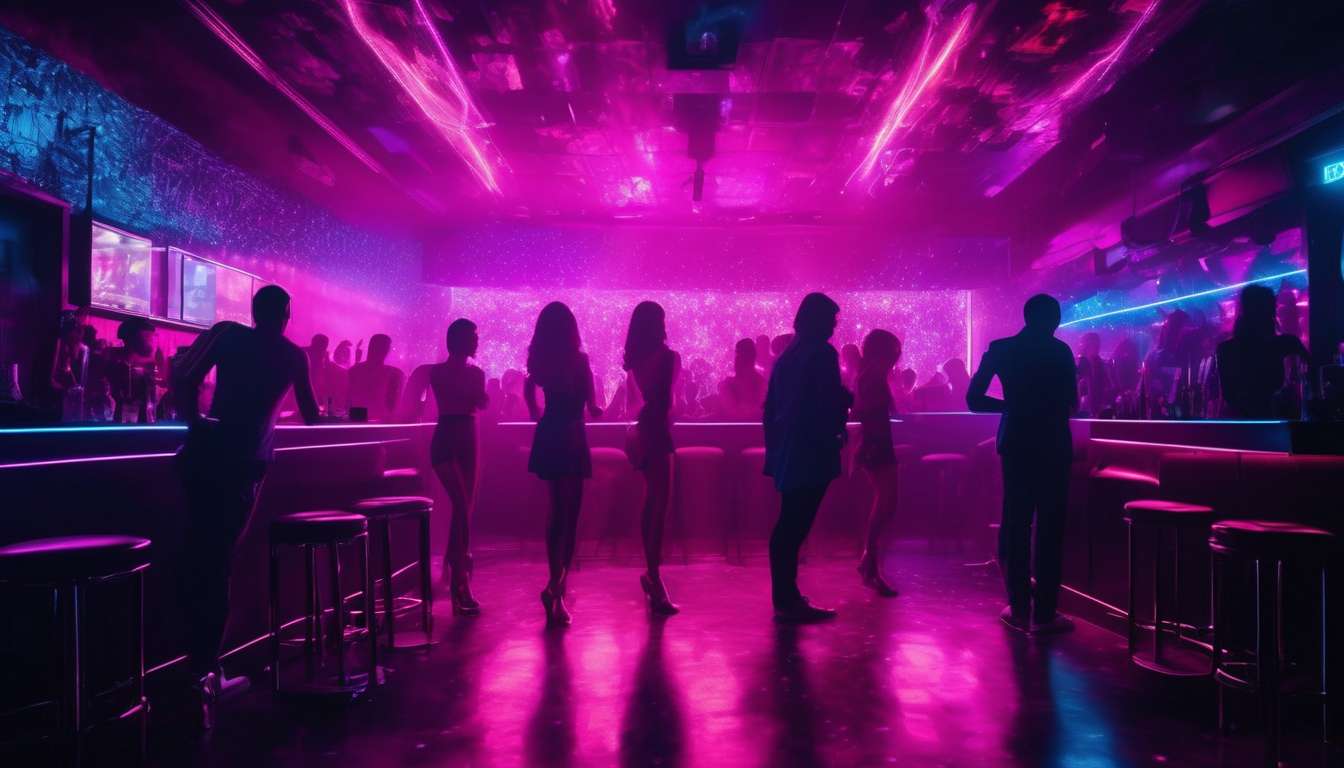
Glimmering neon and a last-minute five-star review set the scene for an evening planned around a single glowing recommendation.
We arrived at a club because an app promised exceptional performances, attentive staff, and a safe environment; instead, we found a different reality that left us questioning the trust we had placed in digital assessments.
That night, a string of reviews—some exuberant, others scathing—shaped not only our expectations but how staff treated us and how performers presented themselves.
As we navigated seating, prices, and interactions, each notification and rating seemed to exert a subtle influence on the venue’s atmosphere and reputation.
This article follows our experience to explore how online reviews, snapshots, and star ratings can elevate or erode exotic dancing venues, affect livelihoods, and reshape customer behavior, often in ways that neither patrons nor proprietors fully anticipate.
Review Power Dynamics
We examine how reviewers, dancers, and managers wield online feedback to shape an exotic dancing venue’s reputation.
Online reviews act as a shared language that connects regulars, newcomers, and staff; we rely on them to judge performer reputation and venue safety before we walk in.
Reviewers can amplify good service, highlight respectful crowd management, or expose lapses that threaten dancers’ wellbeing.
- They create public records of positive practices and failures.
- A single viral post can redefine public perception quickly.
Dancers and staff use reviews to influence future behavior and safety.
- Dancers encourage supportive patrons to post balanced accounts that reflect real experiences.
- Managers use feedback to adjust policies, training, and security to demonstrate care.
Power and impact of feedback are unevenly distributed.
- Loud, viral voices can dominate perception.
- Quieter, constructive comments often guide practical improvements.
We strive to elevate voices that reflect community values, counter misinformation, and preserve dignity.
- Treat reviews as actionable signals rather than weapons.
- Build trust, protect performers, and reinforce venue safety.
The goal is to create spaces where everyone feels welcomed and respected.
Performer Visibility
Visibility shapes opportunities, agency, and safety.
We spotlight how visibility—who gets seen, when, and by whom—shapes dancers’ opportunities, agency, and safety within the venue. Who is visible determines access to shifts, tips, and bookings, and unequal visibility can concentrate benefits on a few performers while others remain unseen despite equal talent.
Online reviews amplify disparities.
We recognize that online reviews amplify certain performers, creating ripple effects: highlighted dancers attract more shifts, tips, and bookings, while others stay unseen despite talent. Performer reputation should not hinge on a handful of comments or reviewer preference.
We advocate for equitable exposure through transparent internal systems.
- Transparent scheduling and rotation policies that distribute stage time and prime shifts fairly.
- Supportive management practices that allow performers to build steady profiles without competing for scarce spotlight minutes.
- Clear criteria for shift assignment so decisions are predictable and verifiable.
Visibility also affects safety and team cohesion.
Predictable assignments and clear sightlines reduce risky interactions, and shared expectations help staff intervene when needed. When performers feel visible in a fair way, they feel part of a team rather than isolated targets for praise or criticism.
Our goal is to balance online influence with protections and supports.
We aim to balance online reviews’ influence with internal systems that protect dignity, nurture belonging, and let every performer shape their reputational trajectory responsibly.
Patron Expectations
Patron expectations are shaped by social norms, past experiences, and what they read or hear.
We need to manage those expectations so they align with our venue’s values and policies. Clear, consistent communication helps ensure newcomers feel they belong and regulars experience predictable treatment.
Online reviews and listings shape initial impressions.
We respond thoughtfully to feedback and keep listings up to date so visitors know what to reliably expect.
Be transparent about dress code, entry policies, and interaction boundaries.
- Publish concise dress code and entry policies.
- Explain interaction boundaries and consent expectations.
- Provide examples or FAQs so guidance is easy to understand.
Performer reputation matters to patrons.
We highlight performer bios, schedules, and consent practices so reputation is transparent and earned, not assumed.
Transparency reduces misunderstandings and supports mutual respect.
- Clear performer information helps patrons make informed choices.
- Stated consent practices protect performers and set behavioral expectations for guests.
Venue safety is central to belonging.
We use clear signage, visible security measures, and easy reporting channels to reassure patrons that their comfort comes first.
Align communications, policies, and practices to build trust.
By making expectations predictable and matching reality, we create a welcoming environment where community trust grows.
Staff Behavior Shifts
Staff behavior shifts when we change policies, training, or customer expectations, so we must monitor, communicate, and reinforce the conduct we want to see.
We recognize that staff mirror the culture we create, so when we update rules or introduce new training, everyone adapts together.
We track how changes affect interactions with patrons and performers, since online reviews quickly reflect whether our floor feels respectful and welcoming.
We prioritize clear, shared standards because performer reputation and venue safety are tightly linked; when staff act consistently, performers feel supported and guests behave better.
We hold regular briefings, invite feedback, and celebrate examples of care so team members feel part of the solution, not policing.
We also use incident debriefs to learn without blame, adjusting procedures when patterns emerge.
By committing to transparency and shared responsibility, we strengthen bonds among staff, protect performers, and improve the public perception captured in online reviews—building a safer, more inclusive venue for everyone.
Rating Manipulation
Many factors can skew ratings, so we monitor for fake reviews, coordinated attacks, and incentive-driven feedback to keep our public record accurate and fair.
We know online reviews shape how people connect with our community, so we actively look for patterns that erode trust.
When multiple accounts post identical complaints or praise, we flag them and verify context before updating scores.
We provide clear channels for performers and patrons to respond, because protecting performer reputation matters to everyone who belongs here.
We won’t tolerate threats or paid manipulation that misrepresents venue practices or masks genuine safety concerns.
Our moderation balances transparency with compassion:
- We educate contributors about fair reporting.
- We offer mediation for disputed claims.
- We publish summaries of actions taken.
By doing this, we foster a trustworthy space where patrons, staff, and performers feel seen and secure.
That shared accountability keeps our network of venues healthier and ensures ratings reflect lived experiences, not coordinated noise.
Economic Consequences
We regularly track how shifts in ratings and review volume directly affect revenue, booking demand, and employment stability for venues and performers.
We see online reviews alter foot traffic within days. Higher scores bring steady bookings, while lower scores prompt cancellations.
We know performer reputation is closely tied to these trends. A few critical comments can reduce private dance requests and alter tip income distribution across the floor.
We focus on practical steps to protect livelihoods:
- Encourage prompt responses to feedback.
- Maintain transparent refund and booking policies.
- Develop community-driven guidelines that help everyone feel supported.
We monitor how aggregated ratings influence managerial decisions. Ratings affect hiring and scheduling, which in turn impacts wages and shift predictability.
We have data showing clear correlations between review patterns and monthly revenue, but we avoid sensational claims. Our priority is evidence-based measures that rebuild trust.
Our goal is inclusive solutions that stabilize income, preserve dignity, and ensure fair marketplace signals without compromising venue safety or performer reputation.
Safety Perceptions
We examine how customer comments and ratings shape patrons’ perceptions of safety and how those perceptions influence who comes through the door.
We listen for signals in online reviews that tell a shared story:
- Mentions of attentive staff, well-lit entrances, and respectful crowds build trust.
- Reports of harassment or disorder erode trust.
We know performer reputation ties directly to perceived venue safety.
- Patrons who praise performers for professionalism often imply a safer, more welcoming environment.
We focus on how language in reviews creates expectations that attract people seeking community and deter those who might threaten it.
We note patterns:
- Repeated positive notes about security presence and clear policies correlate with more diverse, returning visitors.
- Emphasis on inclusivity, clear boundaries, or vigilant staff steers attendance toward those who feel they belong.
Our goal is to understand how collective voices shape a sense of belonging—whether reviews emphasize inclusivity, clear boundaries, or vigilant staff—and how that sense steers attendance.
By centering safety-related feedback, we reveal how reputation and real-world safety perceptions flow between reviewers and prospective patrons.
Reputation Management
To manage reputation effectively, we monitor feedback, respond promptly to concerns, and amplify positive experiences to shape how potential patrons perceive the venue.
We treat online reviews as a conversation starter, inviting guests and performers to tell their stories so everyone feels seen and included.
We acknowledge critiques about performer reputation or venue safety quickly and transparently, explaining corrective steps and timelines so trust can be rebuilt.
We highlight staff and dancer accomplishments, training, and community standards to foster pride and show newcomers they belong.
We encourage constructive feedback channels that protect privacy and reduce public shaming while making improvements visible.
When praise appears, we share it with the team to reinforce good practices; when problems arise, we own them, act, and follow up publicly to close the loop.
By combining attentive listening, consistent communication, and tangible actions, we keep our community connected and demonstrate that reputation is a collective responsibility rooted in respect and safety.
How do local laws and licensing regulations interact with digital reviews to influence a club’s reputation?
We’re asking how rules and licenses mix with online reviews to shape a club’s standing.
Local laws set standards — safety, hours, and conduct — and licensing issues become focal points reviewers mention.
We’ll respond to complaints transparently, follow regulations, and use positive feedback to rebuild trust.
When enforcement actions appear online, we’ll address them quickly, show compliance, and engage our community so members feel respected and included.
Can reviews from outside the city or country disproportionately affect a venue’s online reputation, and how should clubs respond?
We believe reviews from outside the city or country can skew perception, especially when locals seek trusted recommendations, so they matter more than they should.
We will monitor sources, highlight genuine local experiences, and engage respectfully with nonlocal reviewers to clarify context.
We will encourage verified local feedback, promote community events, and respond transparently to concerns.
That way we will protect our reputation while inviting everyone to understand the real atmosphere and standards.
What role do photo and video content (user-generated multimedia) play in shaping public perception differently than text reviews?
Photos and videos shape perception differently than text reviews.
Multimedia delivers immediate, emotional impact. Visuals communicate atmosphere, crowd size, and performer energy far faster than words can, giving viewers an instant sense of the experience.
Use multimedia to highlight authenticity, positive experiences, and safety.
- Show real moments: candid photos and short clips that reflect typical events.
- Emphasize safety: images of lighting, staff presence, and crowd management.
- Promote positives: visuals that capture enjoyment, diversity, and accessibility.
Monitor for misleading or harmful clips.
- Flag misleading edits or out-of-context snippets.
- Remove or annotate content that misrepresents events or endangers reputation.
Invite patrons to share balanced content.
- Encourage both highlights and honest observations so impressions aren’t one-sided.
- Provide simple guidance on respectful photography and what to avoid (e.g., non-consensual close-ups).
Respond promptly to harmful media and build trust.
- Quickly address problematic posts.
- Communicate transparently about actions taken.
- Foster a community norm that values accurate, respectful representation.
Outcome: Consistent, well-managed multimedia helps potential patrons form realistic expectations, strengthens trust, and showcases the venue’s true character.
Conclusion
You’ve seen how digital reviews reshape exotic-dancing venues: they amplify performer visibility, sway patron expectations, and pressure staff to change behavior.
Reviews can be weaponized or gamed, shifting economic outcomes and safety perceptions overnight.
Because reputation now lives online, you’ll need proactive management—monitoring feedback, addressing concerns, and safeguarding performers—to protect revenue and wellbeing.
Ignore reviews and you risk long-term damage; engage with them and you’ll steer your venue toward resilience and trust.